
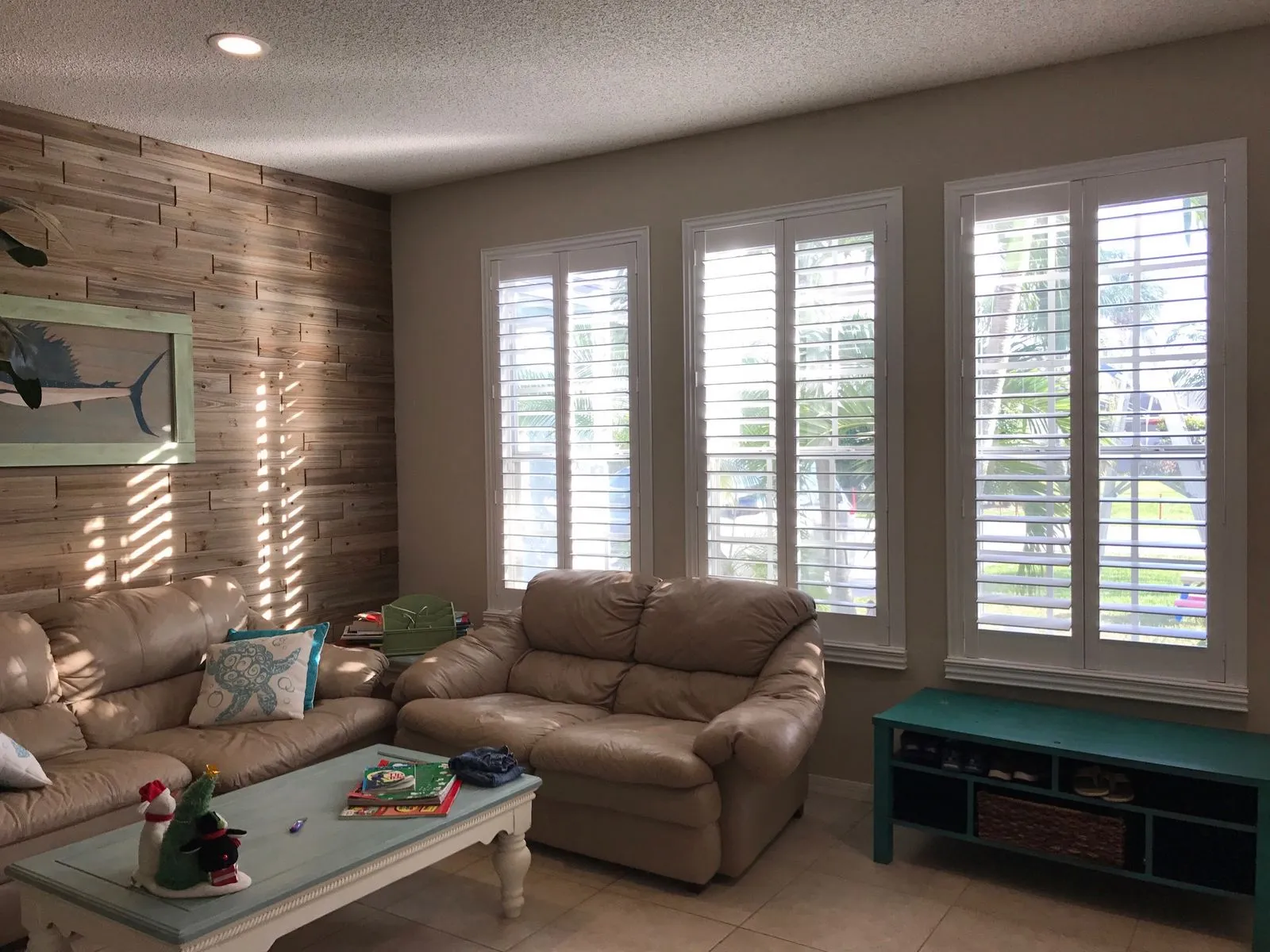
A coastal living room can feel airy and inviting without relying on seashell motifs or a room full of blue. Start with the qualities that make coastal spaces work: natural materials, an easy mix of warm and cool colors, and a few meaningful accents. Consider your room’s light, layout, and existing furniture before buying anything. With a clear palette and deliberate choices, you can create a relaxed space that feels at home in Toronto as well as by the shore.
Start With a Balanced Palette
Use a light neutral as your foundation, such as warm white, cream, or pale sand. This keeps the room feeling open and gives wood, woven materials, and art room to stand out. If your space gets cool or limited daylight, choose a warmer white; in a bright room, a soft gray or muted off-white can feel fresh without looking stark.
Add color in a few deliberate places rather than spreading it everywhere. Soft blue, sea glass green, or muted navy can appear in pillows, a throw, or one piece of art. Repeat your chosen accent color at least twice so it feels connected to the room. Keep larger pieces like the sofa and rug mostly neutral if you want flexibility as your tastes change.
Layer Natural Textures
Texture brings depth to a restrained color scheme. Mix materials such as linen, cotton, jute, rattan, cane, and light-toned wood. For example, pair a linen sofa with a woven basket and a wood coffee table. The materials do not need to match; a small range of finishes makes the room feel collected rather than coordinated as a set.
Think about comfort and upkeep as well as appearance. A jute rug can add a relaxed, tactile base, while a washable cotton throw is practical for everyday use. If you have pets, children, or a busy household, choose durable upholstery and easy-to-clean covers. Add one or two textured elements at a time, then step back to see whether the room needs more.
Choose Relaxed, Useful Accents
Let a few accents suggest the coast instead of spelling it out. Landscape art, a ceramic bowl, a driftwood-like wood finish, or a glass lamp can create the right mood without turning the room into a theme. Choose pieces that suit your home and have a purpose, such as a tray for the coffee table or baskets for storing blankets.
Edit surfaces so each object has space around it. On a coffee table, combine a small stack of books with one useful tray or sculptural piece; leave part of the surface clear. Avoid repeating the same motif on every pillow, wall, and accessory. A restrained mix looks more modern and makes the items you care about easier to notice.
Arrange for Light and Ease
Keep the layout comfortable before focusing on decoration. Arrange seating so people can talk easily and move through the room without squeezing past furniture. If the room is small, choose a coffee table with a lighter visual profile or use a pair of movable side tables. Leave clear paths to windows and doors, and avoid placing tall objects where they block natural light.
Finish by checking how the room feels at different times of day. Layer window treatments to soften glare while preserving daylight, and use lamps where you read or gather in the evening. Take a photo from the doorway to spot crowded corners or colors that feel too dominant. Adjust by removing or relocating pieces before adding new ones.
A coastal living room comes together through balance: a calm base, varied natural textures, and a small number of thoughtful accents. Start with what you own, make changes gradually, and prioritize comfort and clear pathways. If you want help exploring coastal-inspired pieces, visit Harbor & Shore to find options for your space.